
This report analyzes the representation and participation of women in the international and U.S. Olympic organizations relative to the Olympic and Paralympic Games, especially for 2000, 2004, and 2008. In addition it examines the types and extent of opportunities that are provided for women in administrative and leadership roles within these structures and the chances women have to compete in the Games themselves. This report also assesses the extent that the IOC, IPC and USOC are fulfilling their stated missions with respect to fairness and gender equity and whether or not legal statutes are being upheld. Finally, there is analysis of media coverage of female athletes in the 2008 Olympic Games.
Women in the 2000, 2004 and 2008 Olympic and Paralympic Games
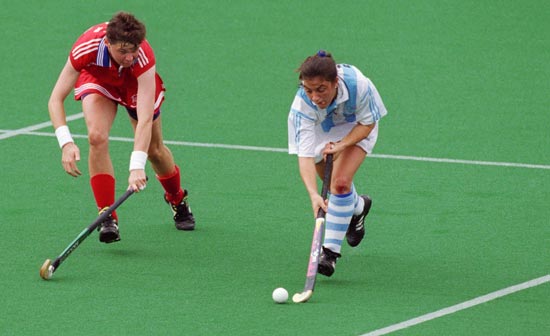
Women in the 2006 Olympic and Paralympic Winter Games
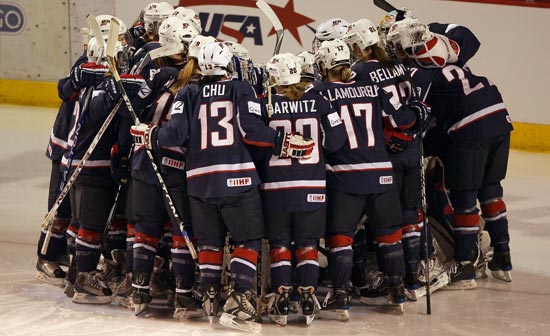
This report examines the extent to which both the international and U.S. sports communities are providing equitable sports participation and leadership opportunities for women and assigns grades based on the assumption that men and women should have equal opportunities as athletes and leaders and be equally represented in media coverage.
Her Life Depends on It

“Her Life Depends On It,” is the most comprehensive compilation of research to date about the impact of physical activity on the physical, psychological and cultural health of girls. The report points to physical activity and sport as fundamental solutions for many of the serious health and social problems faced by girls. These include obesity, heart disease, substance abuse, teen pregnancy and depression – which accounts for much of the more than $1 trillion spent on healthcare for treating these issues.
Download the complete research report below. Educate yourself–and then take action.
Gender Bias and the Children’s Perceptions of the Proposed Pictograms for the 1996 Olympic Games
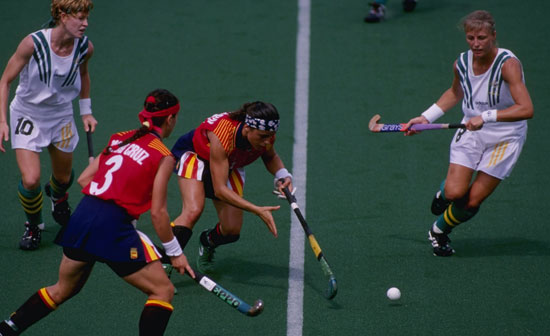
In July 1994, the Atlanta Committee for the 1996 Olympic Games (ACOG) introduced the official pictograms for the 1996 Centennial Olympic Games. These black-on-white silhouettes of 31 athletic events were said to represent both women and men performers. The Women’s Sports Foundation (WSF) received numerous calls expressing concern that the pictograms did not represent both genders, and further, portrayed virtually all male figures. An informal survey of 28 former women Olympians and 28 other national caliber athletes was done and 98% (N=56) felt the pictures were mostly men/ The WSF shared these concerns with ACOG and several artistic revisions were subsequently made in order to ensure that the final pictograms would be “viewed as universal interpretations of the human form.”